Requesting Parts: A Clear Enquiry Example
Construction-equipment parts enquiries often begin with a site deadline. The quickest useful step is to assemble the evidence needed to identify the component, rather than ordering from a broad model description.
Collect information from the machine
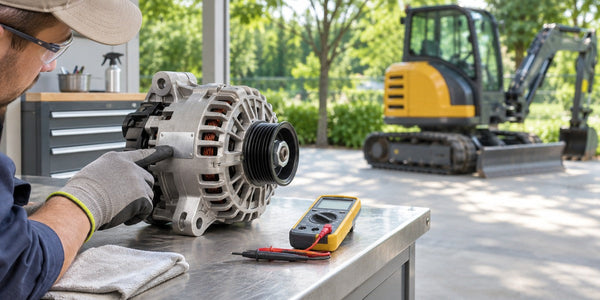
Photograph the machine plate and the engine plate where relevant. Record the failed component's complete markings and show its mounting, connectors or fluid ports. Keep the workshop diagnosis with these photographs so the buying team knows which repair has been approved.
Compare like-for-like requirements
Engine, hydraulic, cooling and electrical parts have different selection details. A hydraulic pump needs its configuration checked; a cooling component needs the correct circuit and connections; an electrical part needs its actual function and specification identified. A product photograph cannot replace these checks.
- Confirm the reference and any serial-number restrictions.
- State the required quantity and supplied condition.
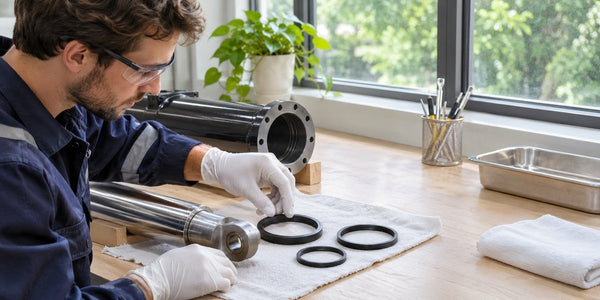
- Check included seals, fittings and other repair items.
- Ask for clarification of any missing application details.
Confirm availability before planning the job
Request stock confirmation and a dispatch estimate for each line. Delivery depends on the destination and shipment, so avoid treating a general website statement as a guaranteed site-arrival date. Check freight and applicable destination charges in the quote.
Read the product and terms accurately
A replacement described as compatible with an equipment brand is not automatically genuine branded stock. This article does not claim that every KuduParts item is an OEM product, receives a particular laboratory test or is available for every make and model.
Use the individual listings and send the prepared enquiry to KuduParts. Keep the confirmed specification, quotation and written warranty or return conditions with the repair order.
A copyable enquiry structure
Subject: Parts enquiry — [complete component reference] — [machine/engine]
Requirement: [component and quantity]; [complete unit or required supply scope].
Identity: [machine model/serial]; [installed engine or assembly identity where relevant].
Evidence: [plate photograph, configuration views and applicable catalog reference].
Confirmed repair finding: [service-provider finding, or “diagnosis not yet confirmed”].
Questions: [missing dimensions, contents, configuration or reference discrepancy].
Delivery request: [destination and required planning information]; please confirm the actual dispatch and delivery options.
This is an example structure, not a real customer request. Leave unknown fields explicitly open; do not estimate a pressure rating, size or compatibility just to complete it. Avoid sending unrelated personal records when component evidence is sufficient.
Ask the supplier to answer the named questions against the exact product or proposed alternative. Keep that reply with the enquiry so a later order does not rely on remembering a conversation.
For multiple machines or many line items, use the wholesale-order format. Once offers arrive, use the complete-cost comparison. Preparing the request and choosing between quotes are different tasks.